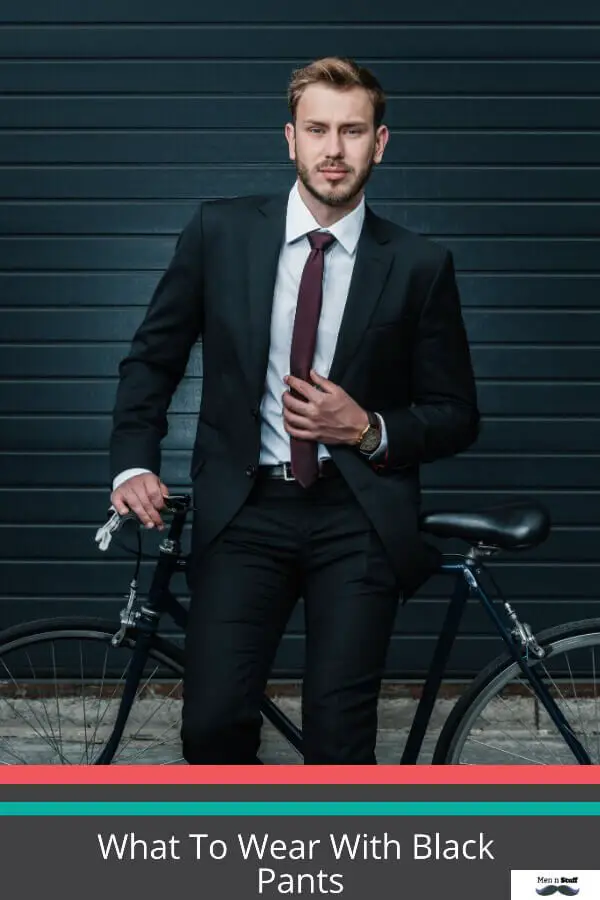
In the sartorial landscape of 2026, the traditional boundaries of men’s fashion have shifted toward what stylists call “Soft Sartorialism.” We no longer live in a world where a suit is mandatory for the office, yet the desire to look “sharp” has never been higher. This has created a massive point of confusion for the modern man: the distinction between the dress shirt and the sport shirt. While they may look identical on a hanger to the untrained eye, they are fundamentally different tools in your style arsenal. One is a precision instrument designed for layers and formality; the other is a versatile workhorse built for texture and independence. Understanding the technical and aesthetic differences between the two isn’t just about following rules—it’s about having the confidence to walk into any room knowing you’ve nailed the dress code.
The Anatomy of Intent: Why Construction Matters
To understand the difference, you first have to understand the “why” behind the design. A dress shirt is, by definition, an architectural piece. It is designed to be worn under something else—a blazer, a suit jacket, or a tuxedo. Its primary job is to provide a clean, smooth backdrop for a tie and a jacket.
Conversely, a sport shirt (often called a “button-down” or “casual shirt”) is designed to be the star of the show. It is meant to be seen in its entirety, often without a jacket. This fundamental difference in “intent” dictates everything from the choice of fabric to the shape of the collar.
1. The Collar: The Commander of the Face
In my opinion, the collar is where 90% of men make their first mistake. Dress shirt collars are constructed with “interfacing”—a stiff material sewn inside the fabric to ensure the collar stays upright and rigid. They almost always feature “collar stays” (those little plastic or metal tabs) to prevent the points from curling. This rigidity is necessary because a dress shirt collar must hold the weight of a necktie and stay tucked neatly under the lapels of a jacket.
Sport shirts, however, embrace the “roll.” The most iconic sport shirt is the Button-Down Collar (pioneered by Brooks Brothers). These collars are usually “unlined” or “soft-lined,” meaning they have a natural, casual drape. In 2026, we are seeing a massive resurgence of the “long-point” soft collar, which looks intentional and relaxed. If you try to wear a tie with a soft sport shirt collar, it often looks messy; if you wear a stiff dress shirt collar open without a tie, it can look “corporate” and stiff, like you forgot your tie in the car.
2. The Fabric: Smooth vs. Soulful
If you touch a dress shirt, it should feel like high-quality paper or silk. We are talking about Broadcloth, Poplin, or fine Royal Twill. These fabrics are woven to be smooth, slightly shiny, and crisp. They are “flat” fabrics that don’t distract from the suit.
Sport shirts thrive on texture. Think Oxford cloth (the rugged, basket-weave king of casual shirts), Flannel, Chambray, Denim, or Linen. In 2026, we’ve also seen the rise of “Technical Pique”—a breathable, textured knit that looks like a dress shirt but feels like a gym tee.
My Take: Texture is the “cheat code” for looking well-dressed without looking “stiff.” A crisp poplin dress shirt on a Saturday afternoon at a bar looks out of place. A rumpled, heavy Oxford sport shirt in the same setting looks like you’ve mastered the art of living.
3. The Tail: To Tuck or Not to Tuck?
This is the most practical difference between the two. Dress shirts are long. If you pull a dress shirt out of your pants, it likely reaches mid-thigh. Why? Because there is nothing more annoying than your shirt billowing out of your waistband every time you reach for your phone. The extra length—the “tail”—is designed to stay anchored under your belt.
Sport shirts are cut shorter. The hem is usually curved (the “S-curve”) and designed to end just around the mid-fly of your trousers. This gives you the option to wear it untucked without looking like you’re wearing a nightgown.
In the 2026 fashion cycle, the “cropped” sport shirt has become a staple. If the shirt hem goes past the bottom of your back pockets, it’s a dress shirt. If it sits just above them, it’s a sport shirt. Simple.
4. The Cuffs: The Final Detail
Dress shirts often give you the option of “French Cuffs” (which require cufflinks) or stiff “Barrel Cuffs.” Again, the goal here is crispness. A French cuff is a power move; it signals that you are in a high-formality environment.
Sport shirts almost exclusively use soft, buttoning barrel cuffs. You’ll also notice that sport shirts often have buttons on the “gauntlet” (the slit above the cuff) to allow you to roll up your sleeves easily. You can roll up the sleeves of a dress shirt, but because the fabric is so thin and the cuffs are so stiff, it often looks wrinkled and forced. A sport shirt was born to have its sleeves rolled up.
When to Wear Which: The 2026 Rules of Engagement
The “Old Rules” said: Ties = Dress Shirt; No Tie = Sport Shirt. In 2026, we’ve moved past such binary thinking. Here is how I recommend navigating the modern social calendar.
The Boardroom and the “Hard” Meeting
If you are wearing a suit and a tie, you wear a dress shirt. There is no debate here. The smooth fabric of a poplin dress shirt creates the necessary contrast against the wool of a suit. A sport shirt under a high-end suit looks “chunky” and ruins the silhouette of the jacket.
The “Business Casual” Office
This is the gray area where most men live. My advice? The Oxford Button-Down (Sport Shirt) is your best friend. It has enough structure to look professional but enough texture to look approachable. In 2026, wearing a stiff white dress shirt with chinos and no jacket has become the “intern uniform.” Avoid it. Go for a light blue or striped sport shirt instead.
Weddings: The “Semi-Formal” Trap
If the invitation says “Semi-Formal” or “Cocktail Attire,” reach for a dress shirt in a subtle texture, like a Herringbone or a fine Twill. You want the “sheen” of a dress shirt to match the celebratory energy of the event. Save the sport shirts for the rehearsal dinner or the day-after brunch.
Dates and Aperitivo Hour
This is where the Sport Shirt shines. A dark denim shirt or a heavy linen button-down shows that you have a personality. It’s “touchable” fabric. Dress shirts can feel like a barrier; sport shirts feel like an invitation.
The Opinion: Why the “Hybrid” Shirt is a Lie
In recent years, many “athleisure” brands have tried to market the “Ultimate Hybrid Shirt”—a shirt they claim works perfectly for a wedding and a beach hang.
I’m going to be blunt: these shirts are usually failures at both.
A shirt that is short enough to wear untucked will always look awkward when tucked into a suit; it will inevitably “pop out” during the day. A fabric that is stretchy enough for the golf course will never have the crisp, authoritative collar needed for a formal event.
In my opinion, a well-curated wardrobe needs at least three “pure” dress shirts (White Broadcloth, Light Blue Twill, and a White French Cuff) and five “pure” sport shirts (two Oxfords, one Denim/Chambray, one Linen, and one Flannel). Trying to make one shirt do everything is the fastest way to look “average” in every situation.
The Human Element: Comfort vs. Confidence
There is a psychological shift that happens when you put on a true dress shirt. The stiffness of the collar and the “tucked-in” security changes your posture. It makes you stand taller. It’s “armour” for the professional world.
A sport shirt, however, is about “ease.” It’s the shirt you wear when you are confident enough to be comfortable. It’s the shirt of the creative, the traveler, and the host.
When choosing between the two, ask yourself: Do I want to command the room, or do I want to enjoy the room?
Conclusion: The Philosophy of the Shirt
As we look toward the future of fashion, the “Uniform” is dead. Men are now expected to be their own stylists. The difference between a dress shirt and a sport shirt might seem like a minor detail in the grand scheme of life, but fashion is a language of details.
When you wear a dress shirt correctly, you are signaling respect for tradition and for the occasion. When you wear a sport shirt correctly, you are signaling an appreciation for craft, texture, and personal comfort.
Don’t be the man who wears a sport shirt to a funeral, and don’t be the man who wears a stiff dress shirt to a backyard barbecue. Learn the anatomy, feel the fabric, and check the tail. Your shirt is the first thing people see and the last thing they should have to worry about. Choose wisely, tuck (or untuck) with intent, and let your clothes tell the right story for the moment you’re in.